4219 Actions found

Actions to conserve biodiversity

We have summarised evidence from the scientific literature about the effects of actions to conserve wildlife and ecosystems.

Review the evidence from the studies

4219 Actions found

Showing 2626–2650 of 4219 actions

Actions, ordered by title
Select Action Effectiveness Studies Category
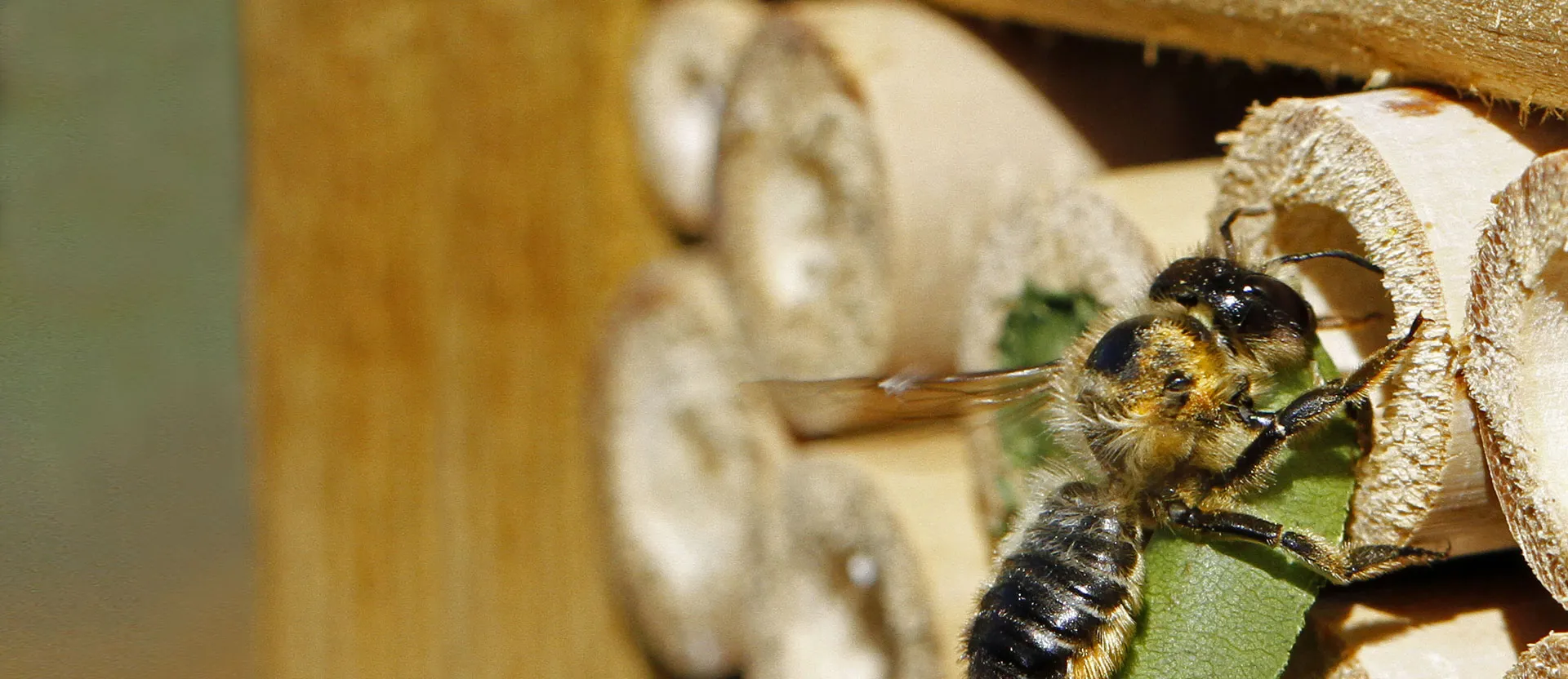
Rear and manage populations of solitary bees Awaiting assessment 7 Bee Conservation
Rear declining bumblebees in captivity Awaiting assessment 24 Bee Conservation
Rear declining species in captivity Likely to be beneficial 22 Butterfly and Moth Conservation
Recharge groundwater to restore wetland forest No evidence found (no assessment) 0 Forest Conservation
Reconnect backwaters/secondary channels Awaiting assessment 2 Vegetation Conservation in Inland Aquatic Habitats
Reconnect off-channel habitats (e.g. sloughs, wetlands, oxbows) No evidence found (no assessment) 0 Eel Conservation in Inland Habitats
Recover eggs from injured or dead reptiles Awaiting assessment 2 Reptile Conservation
Recover lost fishing gear No evidence found (no assessment) 0 Subtidal Benthic Invertebrate Conservation
Recover lost or discarded fishing gear No evidence found (no assessment) 0 Marine and Freshwater Mammal Conservation
Recover lost or discarded fishing gear No evidence found (no assessment) 0 Reptile Conservation
Recycle or repurpose fluids used in the drilling process No evidence found (no assessment) 0 Subtidal Benthic Invertebrate Conservation
Red-eared terrapin: Application of a biocide Unlikely to be beneficial 1 Control of Freshwater Invasive Species
Red-eared terrapin: Biological control using native predators No evidence found (no assessment) 0 Control of Freshwater Invasive Species
Red-eared terrapin: Direct removal of adults Likely to be beneficial 2 Control of Freshwater Invasive Species
Red-eared terrapin: Draining invaded waterbodies No evidence found (no assessment) 0 Control of Freshwater Invasive Species
Red-eared terrapin: Public education No evidence found (no assessment) 0 Control of Freshwater Invasive Species
Red-eared terrapin: Search and removal using sniffer dogs No evidence found (no assessment) 0 Control of Freshwater Invasive Species
Reduce adverse habitat alterations by excluding problematic aquatic species Unknown effectiveness (limited evidence) 1 Bird Conservation
Reduce adverse habitat alterations by excluding problematic terrestrial species Likely to be beneficial 4 Bird Conservation
Reduce and/or eradicate aquaculture escapees in the wild No evidence found (no assessment) 0 Subtidal Benthic Invertebrate Conservation
Reduce aquaculture stocking densities No evidence found (no assessment) 0 Subtidal Benthic Invertebrate Conservation
Reduce bycatch by employing seasonal or area closures No evidence found (no assessment) 0 Bird Conservation
Reduce capacity of cooling water intake structures No evidence found (no assessment) 0 Marine and Freshwater Mammal Conservation
Reduce chemical inputs in grassland management Likely to be beneficial 18 Farmland Conservation
Reduce chemical inputs in permanent grassland management Unknown effectiveness (limited evidence) 1 Bird Conservation